
Video Courses
Our comprehensive video courses and independent learning modules make teaching for occupational & physical therapy easy.
Video Courses
Our comprehensive video courses and independent learning modules make teaching easy.

Great for
Visual Learners
Each video course includes patient treatments, workbooks, practice labs & exams.

We've Done the Work You Choose the Content
Assign the entire course or select a specific topic. Great for flipping the classroom.

60+ Practice Labs Improve Handling Skills
Each supported by video demonstrations and workbook explanations.

Strengthen Skills in Clinical Reasoning
Extensive content facilitates advanced skills in critical thinking and clinical reasoning.
How It Works
Each online video course is designed as a stand-alone, comprehensive learning module and illustrates a variety of assessment & intervention strategies. Excellent for students. Faculty can assign a video course as is, or use specific segments of a course for in-class or out of class activities.
Use all three courses to create an Independent Study course for anyone interested in stroke rehabilitation.
Perfect for colleges and universities offering distance-learning programs.


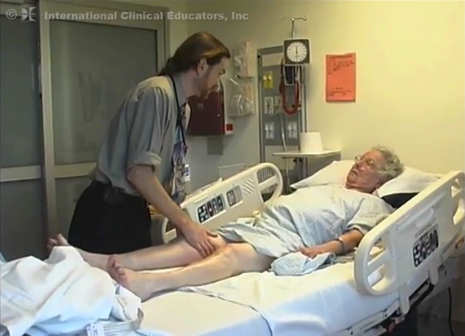
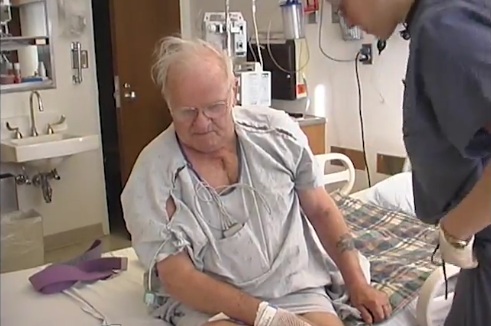
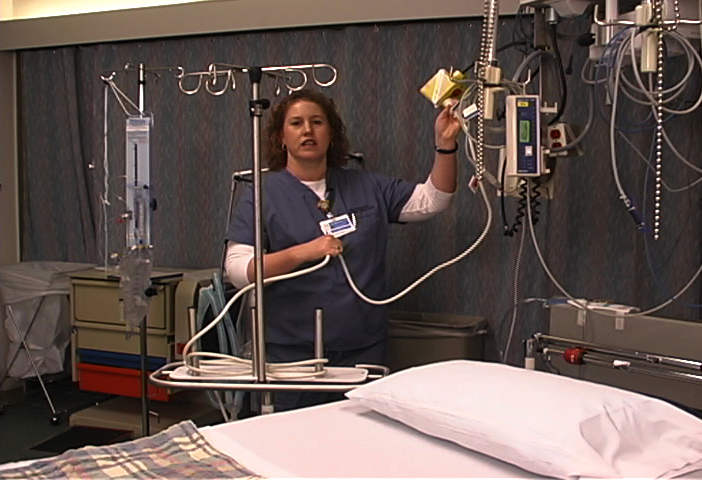
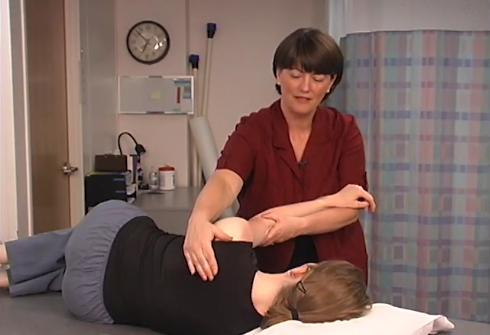
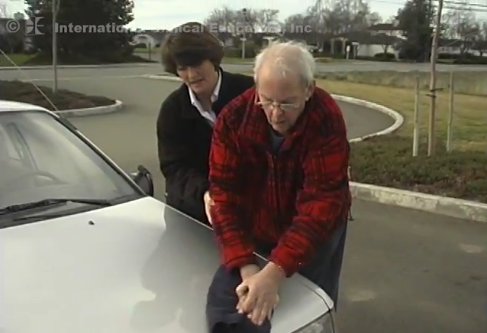
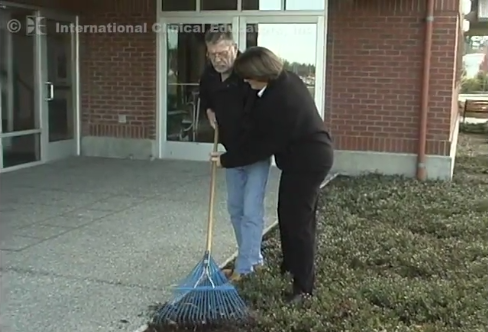
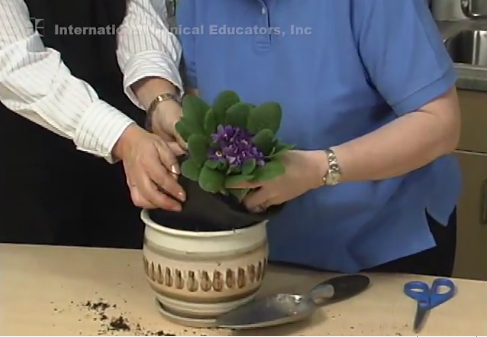
What's Included
Each comprehensive course includes a Student Text & Workbook complete with assignments, practice labs, and access to hours of corresponding streaming patient videos. Subscriptions also include a comprehensive Faculty Guide with tips for teaching Practice Labs and answers to assignments & exams.
Subscription Types
Single-Program Subscription
Single-Program subscriptions are per program; subscriptions include access for all faculty and students within one program (i.e. PT, OT, or Nursing). Faculty and students from one program gain access to all of the videos in the following collections for one full year:
Teaching Independence: A Therapeutic Approach
Functional Treatment Ideas & Strategies
Treatment Strategies in Acute Care
Campus-Wide Subscription
Campus-Wide subscriptions are per campus; multiple programs on the same campus (i.e. PT, OT, and Nursing) may utilize the subscription at no additional cost. All faculty and students gain access to all of the videos in the following collections for one full year:
Teaching Independence: A Therapeutic Approach
Functional Treatment Ideas & Strategies
Treatment Strategies in Acute Care


Jan Davis demonstrates clear, concise step-by-step handling methods to improve functional mobility and self-care with actual stroke survivors requiring moderate and maximum assistance. More than 40 practice labs are included on Wheelchair Transfers, Self-Care, Preventing Shoulder Pain, Improving Function and Awareness, Standing Safely and Bed Positioning and Mobility.
Features:
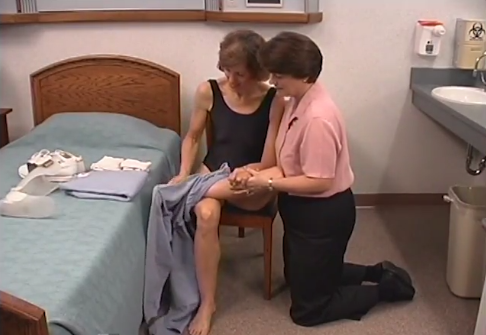
Examples of wheelchair transfers (bed, car, sofa and high hospital beds)
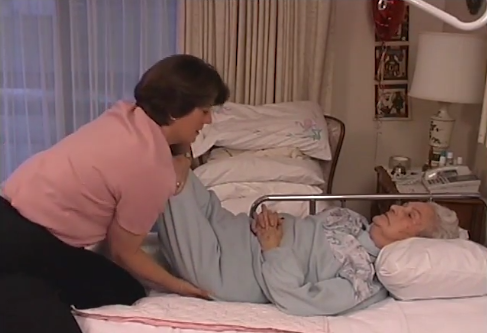
Facilitation of trunk and limb control during bed mobility
Methods to improve the functional potential of the involved side
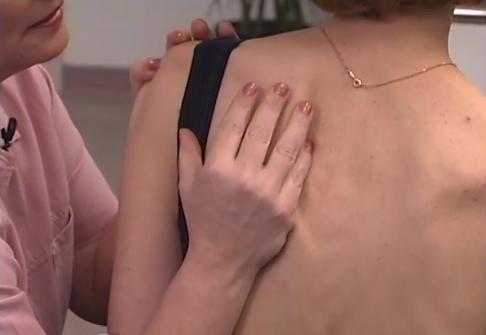
Specific handling methods to prevent shoulder pain
Faculty Guide in PDF format, complete with assignments, exam and practice labs
Student Workbook in PDF format, complete with practice labs


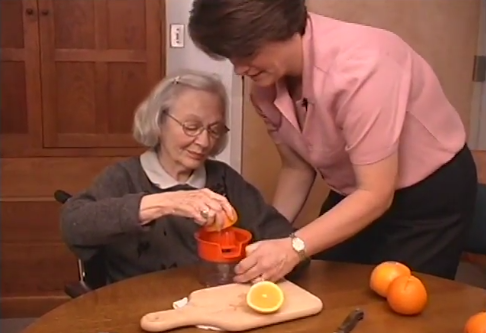
Jan Davis skilfully demonstrates how to use functional activities taken from real-life situations to improve upper extremity and lower extremity function with actual stroke survivors. This program highlights handling methods that can be used in any treatment setting. A must have for every curriculum emphasizing a functional approach to stroke rehabilitation.
Features:
Client-centered and occupation-based practice
Facilitation methods for improved trunk and limb control
How to select tasks to improve functional standing
How to write treatment goals with functional outcomes
Faculty Guide in PDF format, complete with assignments, exam and practice labs
Student Workbook in PDF format, complete with assignments and practice labs


This program is highly effective in preparing students for their clinical experience in the acute care setting. Excellent guidelines are provided for teaching assessment and intervention strategies with neurologically involved patients in the ICU and acute care hospital. Observe as the medical director leads the stroke team at a nationally certified stroke center of excellence, rated as one of the top 100 hospitals in the nation.
Features:
Patient treatment and assessment videos filmed in ICU
Specific handling methods for functional mobility and self-care
Complex equipment in the ICU
Protocols for aspiration precautions
Faculty Guide in PDF format, complete with assignments, exam and practice labs
Student Workbook in PDF format, complete with assignments and practice labs
